
Introduction
What is karma exactly? It's a question many people ask themselves, especially when they first encounter Eastern philosophies and spiritual traditions. At 1stBuddha, where we delve deeply into Buddhism and related teachings, we've noticed that karma is one of the most discussed yet also most misunderstood concepts. In this article, we take a closer look at what karma means and how the concept differs across religions.
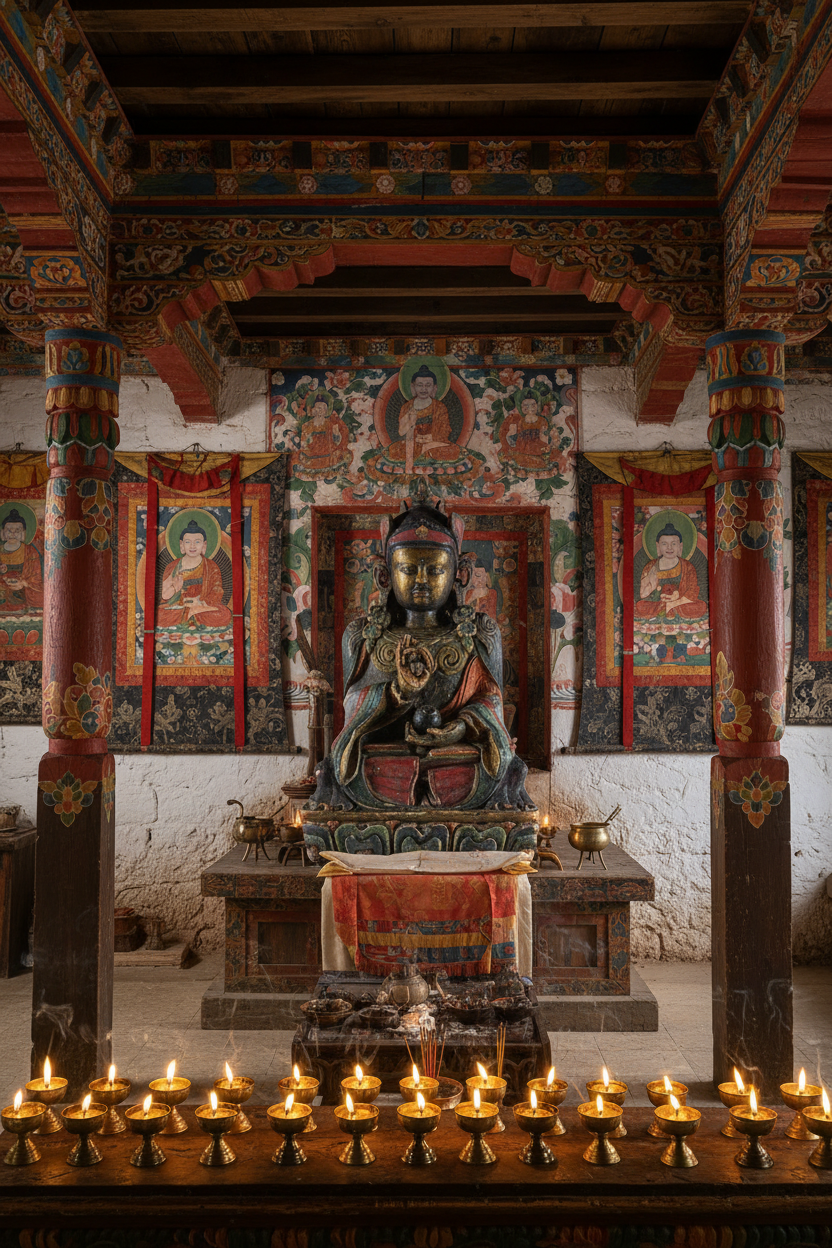
Karma refers to an action, deed, or work. At the same time, it's a principle: the idea that a person's actions and intentions influence their future. Across many religions and cultures worldwide, there is a widespread belief that good deeds lead to positive karma and happiness, while wrongdoing and bad actions lead to future suffering. The concept originates from ancient India, but is also found within Hinduism, Buddhism, Sikhism, Jainism, and Taoism.
What Does Karma Mean, Exactly?
Before exploring how each religion interprets karma, it's worth understanding the core of the concept. Karma revolves around cause and effect: every action you take, every word you speak, and every thought you hold sets something into motion. That "something" eventually returns to you, whether in this life or beyond.
What makes this principle so powerful is that it gives people a sense of responsibility over their own lives. You are not a victim of chance, but the architect of your own destiny.
Karma in Hinduism
In Hinduism, especially as practiced by people in India and Nepal, karma carries a specific and deeply rooted meaning. It literally refers to the universal principle of action and reaction, of cause and effect, which Hindus believe governs all consciousness.
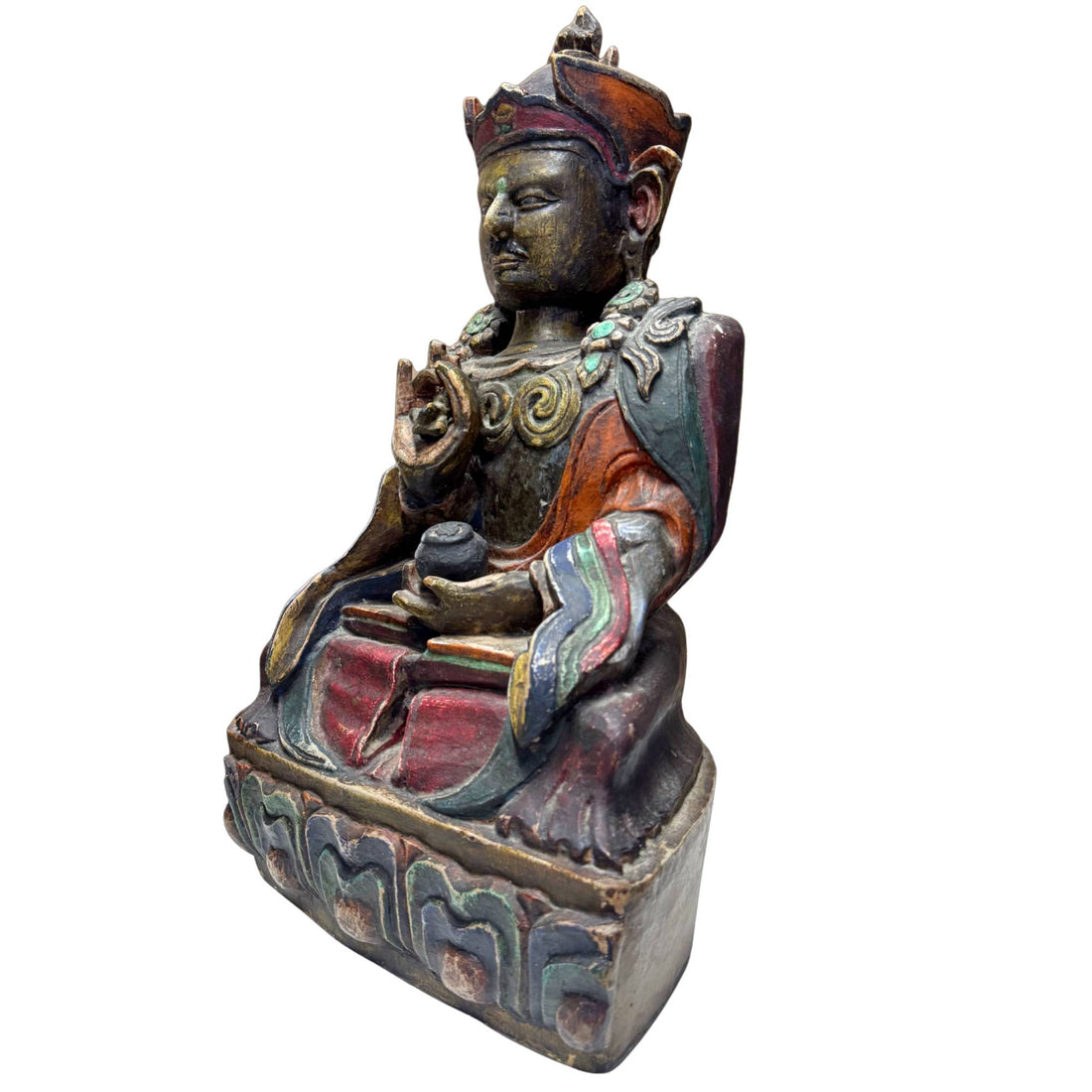
Free Will in Hinduism
Many Hindus believe that humans have free will to shape their own destinies. According to the sacred Vedas, we receive goodness in return when we promote goodness, and we receive evil in return when we promote evil. The Hindu Vedas are among the oldest texts originating from ancient India, forming the oldest layer of Sanskrit literature and the earliest scriptures of Hinduism. They are traditionally said to have been created by Brahma, one of the gods of the Hindu trinity.
Four Ways Karma Is Generated
Within Hindu tradition, it is believed that people in India and Nepal generate karma in four ways:
1. Through their thoughts
2. Through their words
3. Through the actions they carry out themselves
4. Through actions performed by others under their instruction
This shows that karma isn't only about what you do, but also about what you think and say — and even the influence you have over others' actions.
Karma in Buddhism
Within Buddhism, there are two closely related concepts: karma and karmaphala. Together, these two concepts explain how our actions and deeds keep us bound to rebirth within Samsara — the cycle of continuous existence and repetition. The Noble Eightfold Path, meanwhile, describes the way out of Samsara.
Why Buddhists Believe in Karma
Buddhists believe that ignoring karma will eventually create problems for ourselves. Buddhist teachings emphasize that even small, seemingly insignificant actions can accumulate over time. Just as falling drops of water can eventually fill a large vessel, small misdeeds that steadily accumulate can overwhelm us completely. The same holds true in a positive sense: small virtuous deeds also build up and contribute to happiness and well-being.
This teaching reveals the essence of the Buddhist view of reality: everything is interconnected, and our lives exist only as a small part of a much larger whole shaped by karma and its effects.
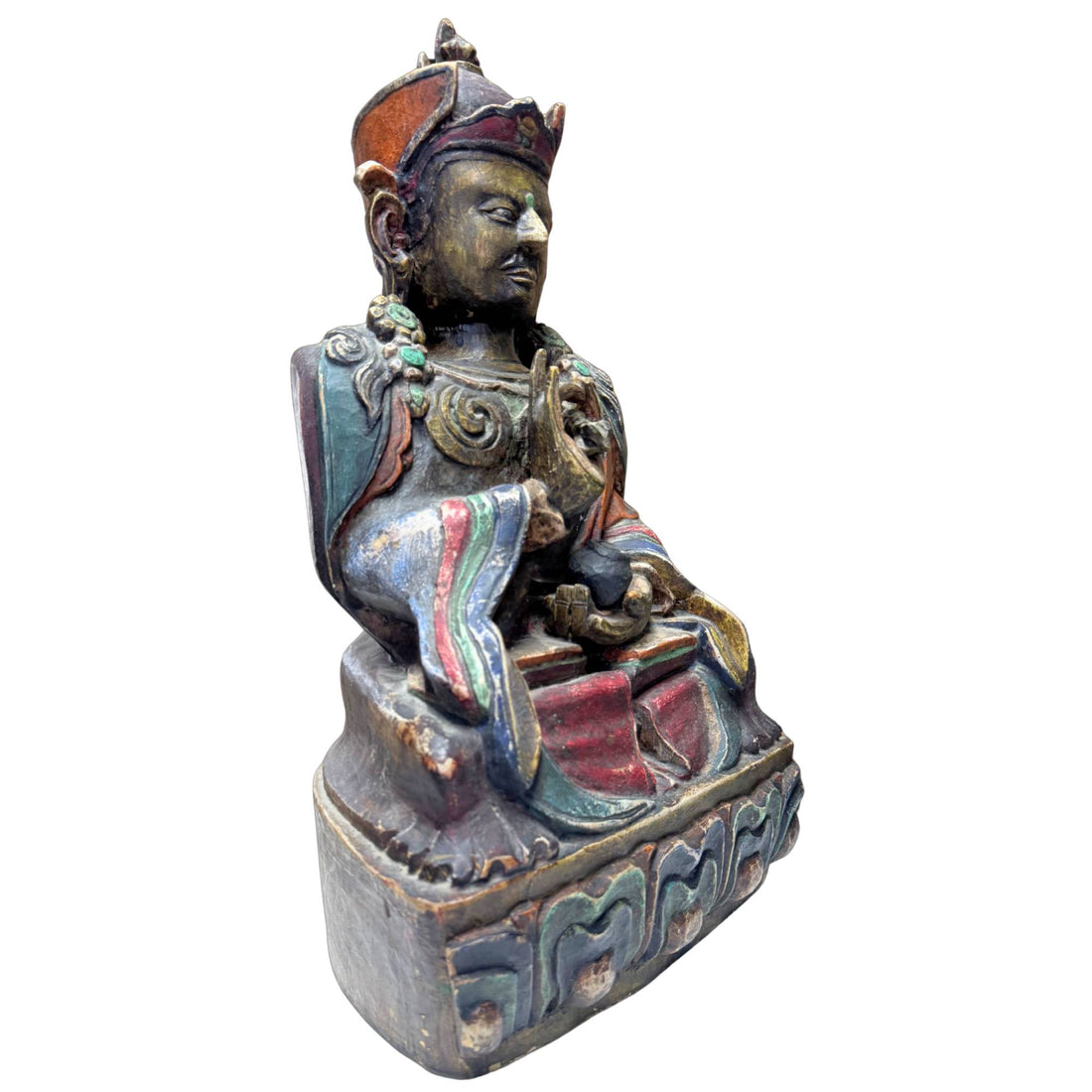
Karma in Jainism
Jainism is practiced in India by followers of the twenty-four Tirthankaras, the spiritual teachers who spread the faith. Unlike Hindus, who view karma purely as a law of nature, Jains regard karma as a kind of clay that shapes the soul.
Jains believe they can control karma through:
· Effort
· Knowledge
· Discipline
Cruel, self-serving actions are believed to generate heavy karma that burdens the soul, while voluntary suffering helps to purify and lighten it. Notably, Jains do not believe in a Supreme Being, a creator, or a sustainer of the universe. There is no world soul to rely on; instead, each individual must help themselves along their spiritual path.
Karma in Sikhism
Karma also plays a central role within Sikhism. The Sikh scriptures explain that the body exists within the realm of karma in this life: whatever you sow, you shall reap, and through the karma of past actions, the garment of this physical body is obtained. Only through His Grace is the Gate of Liberation found.
The Sikh population is especially concentrated in the Punjab region of India, though Sikh communities can now be found on every continent, with a particularly strong presence in Canada. Sikhs believe that everything happens under the Supreme Command, or Hukam, and recognize two types of karma:
· Dukrit Karma – acting against the highest command
· Sukrit Karma – acting in accordance with Hukam
Karma: A Universal Principle with Local Meaning
Although each religion carries its own nuances and interpretations, one idea consistently emerges across all traditions: karma is the reaction that results from a person's actions. People may follow different paths to soften or undo negative karma, but the principle itself always judges us — whether in this life or the next.
Those who take the time to understand karma quickly discover that it's more than just a religious concept. It's an invitation to live consciously, take responsibility for our choices, and remain mindful of our thoughts, words, and actions.
Conclusion
Karma remains one of the most fascinating and universal concepts found within Asia's spiritual traditions. From Hinduism to Jainism, and from Buddhism to Sikhism, the same core message resurfaces time and again: our actions matter. At 1stBuddha, we believe that understanding karma can help you live with greater awareness and intention.
Want to learn more about karma, Buddhist symbolism, or spiritual items that can support you on your journey? Contact us today — we're happy to offer guidance and inspiration tailored to your spiritual path.


