Authentic Buddha statues
This collection now includes 177 available pieces. The selection includes various origins, materials, and poses: from seated sculptures to standing figures and individual fragments. Thailand, Nepal, and Japan are represented, along with China, Tibet, and Cambodia, among others. The common theme is Buddhist imagery; the craftsmanship and dating vary by object.
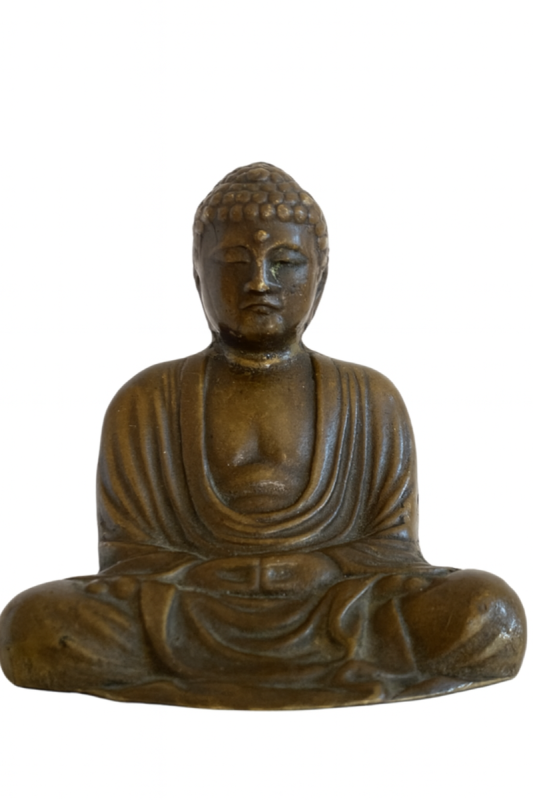
At the top of the price range is the Japanese sculpture for €3,181.75. This is described as circa 1900 (Meiji period or late 19th/early 20th century), made of bronze with traces of original gilding. Here, both the material and the preserved finish provide concrete points of comparison.
The standing temple statue from Burma, made of teak and measuring 166 cm in height, is on a different scale, for €2,131.25. In contrast, there is the fire-gilded figure on a lotus throne from Nepal for €1,980. The stated dating is the 18th–early 19th century. This shows how different craftsmanship and price points can be presented side by side within the same selection.
The most affordable entry point is the Thai hand for €162.25. The title mentions bronze, Vitarka Mudra, and the 19th century. If you are looking for a complete figure, you can compare it with the wooden Mandalay sculpture for €434.50: a Burmese piece with Bhumisparsha and a dating of circa 1900–1930. The price difference here is combined with a difference between a fragment and a figure.
When making your choice, first consider what you want to compare: size, pose, material, or period. In addition to bronze and wood, the available data also mentions copper, brass, ceramics, and textiles/canvas. These materials apply to the collection as a whole; always check which craftsmanship belongs to the individual work. The origin or dating of one piece does not automatically apply to another.
For hand poses, the mudra guide offers further explanation. If you want to see the range outside this selection side by side, the full collection of Buddha statues provides a broader overview. Then use the data for each product to make a comparison between material, dimensions, and the described figure within your budget.